
Resolve complex quality and technical issues
faster and prevent recurrence
the Minerva Way
Minerva provides on-site and virtual multidisciplinary investigation teams including scientists, engineers, quality experts, and visualization specialists to rapidly resolve complex technical and quality events across life sciences operations.

Minerva’s R3 quality investigations provide rapid, integrated resolution of deviations, nonconformances, and operational quality events while strengthening the controls, operational knowledge, and risk visibility needed to reduce future recurrence and investigation backlog.

Minerva’s C3 technical investigations transform complex technical findings into structured scientific and operational knowledge that supports faster and more consistent technical decisions, stronger product development, and more effective quality investigations.
Minerva reduces investigation backlog by transforming recurring issues into governed operational knowledge, stronger risk controls, and sustainable process improvements.
Our integrated investigation approach helps organizations improve investigation consistency, strengthen multidisciplinary decision making, and reduce recurring technical and quality events across operations.

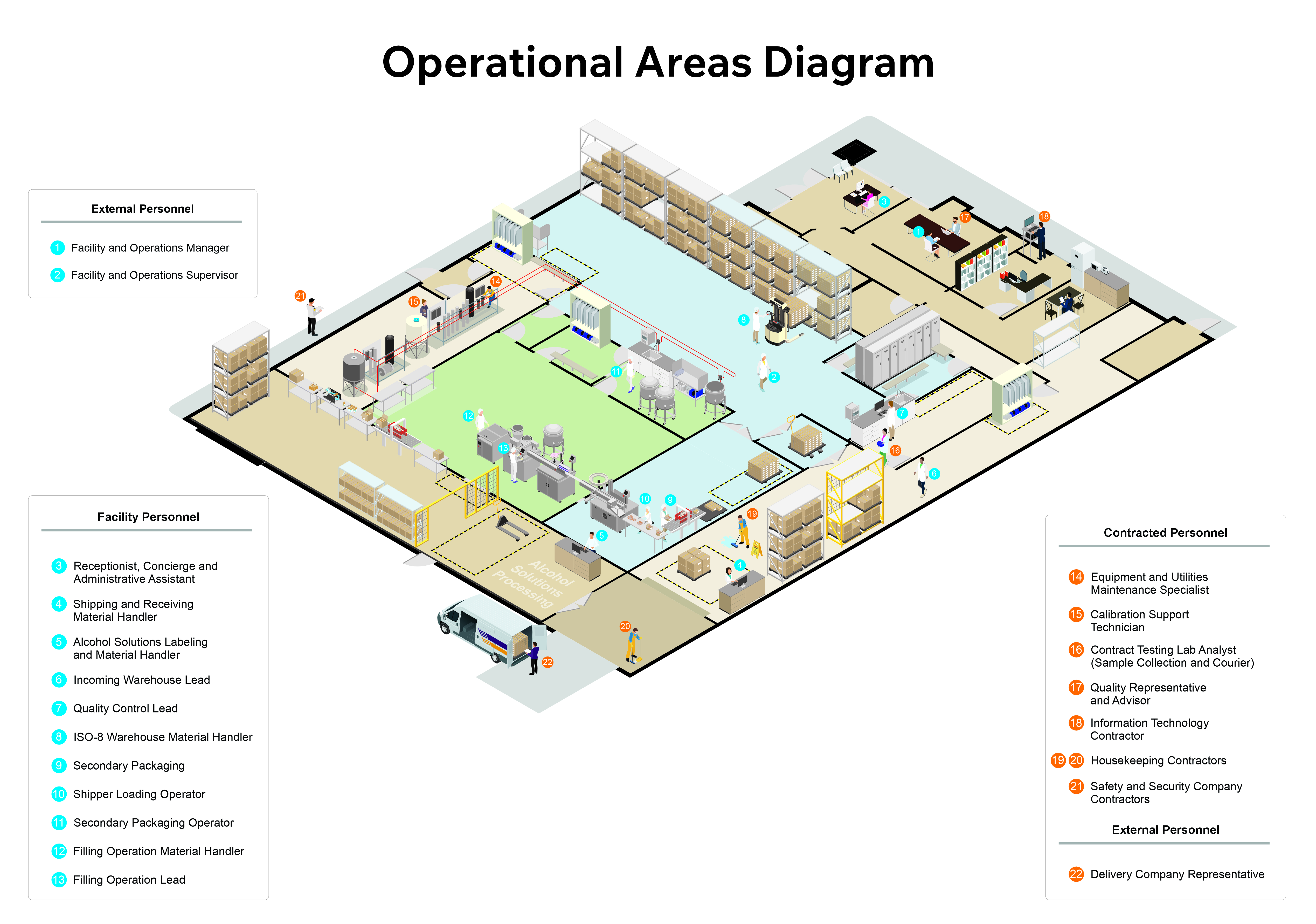
We execute integrated technical and quality investigations across manufacturing, laboratories, quality assurance, quality control, supply chain, engineering, and development operations. This cross-functional approach helps identify interconnected and systemic root causes faster while enabling aligned CAPAs and coordinated risk reduction across operational areas.
Minerva’s multidisciplinary teams use collaborative digital investigation tools, structured workflows, and aligned technical hypotheses to accelerate issue classification, investigation initiation, and cross-functional decision making.
Minerva uses structured digital assessment tools to rapidly evaluate the potential impact of deviations on product quality, patient safety, efficacy, and regulatory compliance. The resulting impact assessment data supports risk prioritization, statistical analysis, and faster selection of the appropriate investigation strategy.
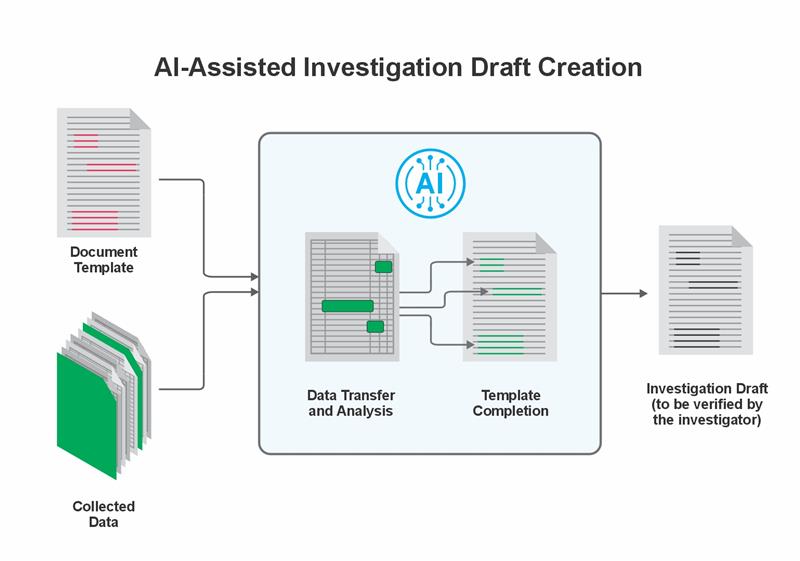
To accelerate investigation execution and improve consistency, Minerva uses structured investigation templates and private machine learning (ML) tools to organize data, support draft generation, and standardize investigation workflows across teams. All outputs are verified, refined, and approved through collaborative expert review processes supported by the Minerva team.
Minerva integrates Knowledge Management (KM) and Quality Risk Management (QRM) into the investigation lifecycle to strengthen the Product Quality System (PQS), improve organizational learning, and reduce future investigation recurrence.
Our integrated digital root-cause approach creates stronger risk controls, improved process understanding, and more sustainable operational performance.

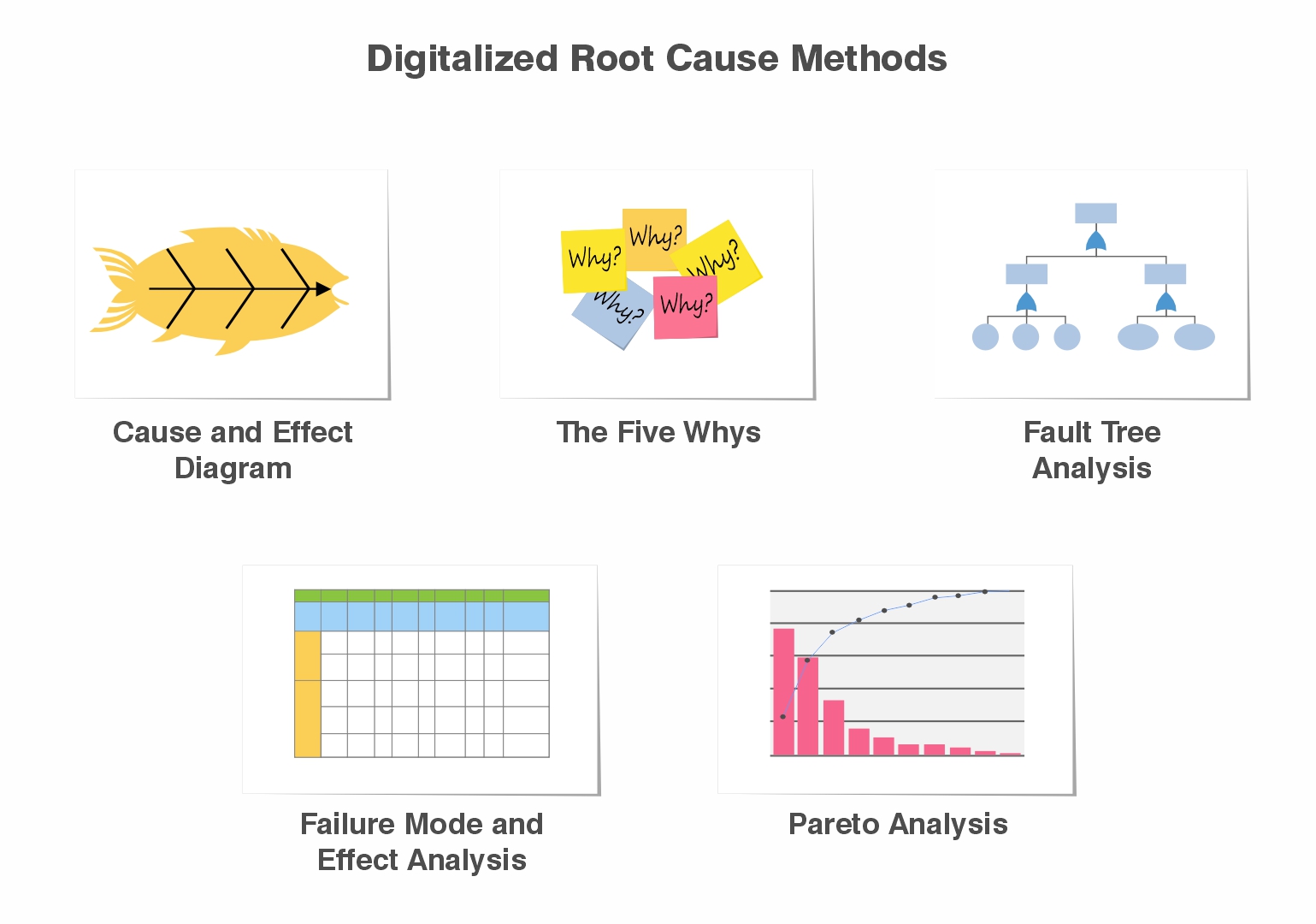
We continuously reduce issues with systematic root-cause analyses using fully digital 5 Whys, cause and effect fishbones, fault tree, and FMEAs, determining the most probable causes with ease and precision.
Beyond desktop investigation analysis, Minerva scientists and technical experts perform targeted laboratory evaluations and scientific assessments to identify deeper root causes and develop technically-supported, risk-based CAPAs.
Historical and newly generated investigation knowledge is integrated into digital risk files to support ongoing failure mode analyses (FMEAs), strengthen future risk assessments, and improve operational decision making across process, design, and use-related risks.
Through process optimization, structured visual training materials, procedural improvements, and on-the-job knowledge transfer, Minerva helps organizations reduce execution variability and improve operational consistency across critical activities.
the Minerva way


